Open a hundred nurseries at random and you'll find about ninety teddy bears. Some have ribbons, some have missing eyes, some have been chewed on for so long the original color is a guess. They're the most common, most loved, and most quietly important object in most kids' childhoods. They get carried to daycare, to grandma's, to the dentist. They get hand-washed at 11pm. They survive the move to the big-kid room.
For most of the last forty years, the only way to make any of that into a book was to commission a custom illustration — expensive, slow, and limited to people who knew an artist. AI illustration changed that math. A personalized teddy bear storybook — a real, printed hardcover with your kid's actual bear as the hero — is now within reach of anyone with a phone and ten minutes. The market quietly exploded around 2024, and the quality split is wide. This is the long version of how it works, what to look for, and where it lands.
Why teddy bears, specifically, work as story heroes
Stuffed animals in general are powerful book characters. Teddy bears, specifically, occupy a slightly weirder slot. They've been the canonical "safe object" in children's storytelling since 1902 — Theodore Roosevelt's bear, then Winnie-the-Pooh, then Paddington, then Corduroy, then a thousand others. By the time your kid pulls their bear out of the crib at 18 months, the cultural shape of "bear who has adventures and comes home safe" is already in the air.
Three things make teddy bears unusually effective as the hero of a kid's personalized book:
- They're already loaded with meaning.The kid doesn't need an introduction. The bear is already a friend, a roommate, and a confidant. The book gets to start in the middle of an existing relationship instead of building one from scratch.
- They're durable in a story sense.A teddy bear can face a thunderstorm, a haircut, a doctor's visit, a new sibling, a first day at school — the same character can carry every one of those plots. You don't age out of the bear, which means the books accumulate.
- They're visually distinct.Your bear is not generic; it's a specific bear with specific worn spots. A book that captures those visual details lands at a different emotional register than a generic-bear book ever can.
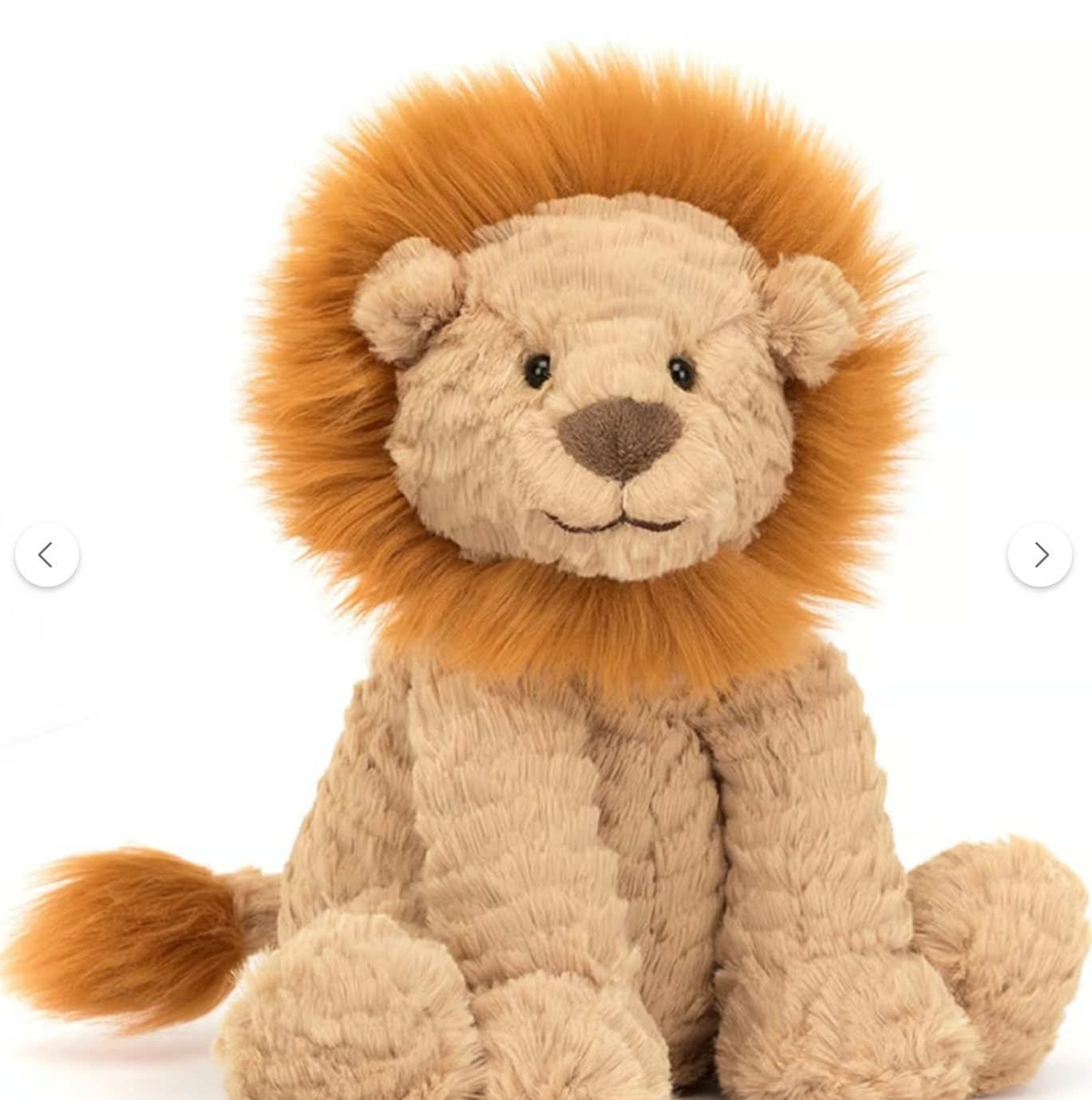 Photo
Photo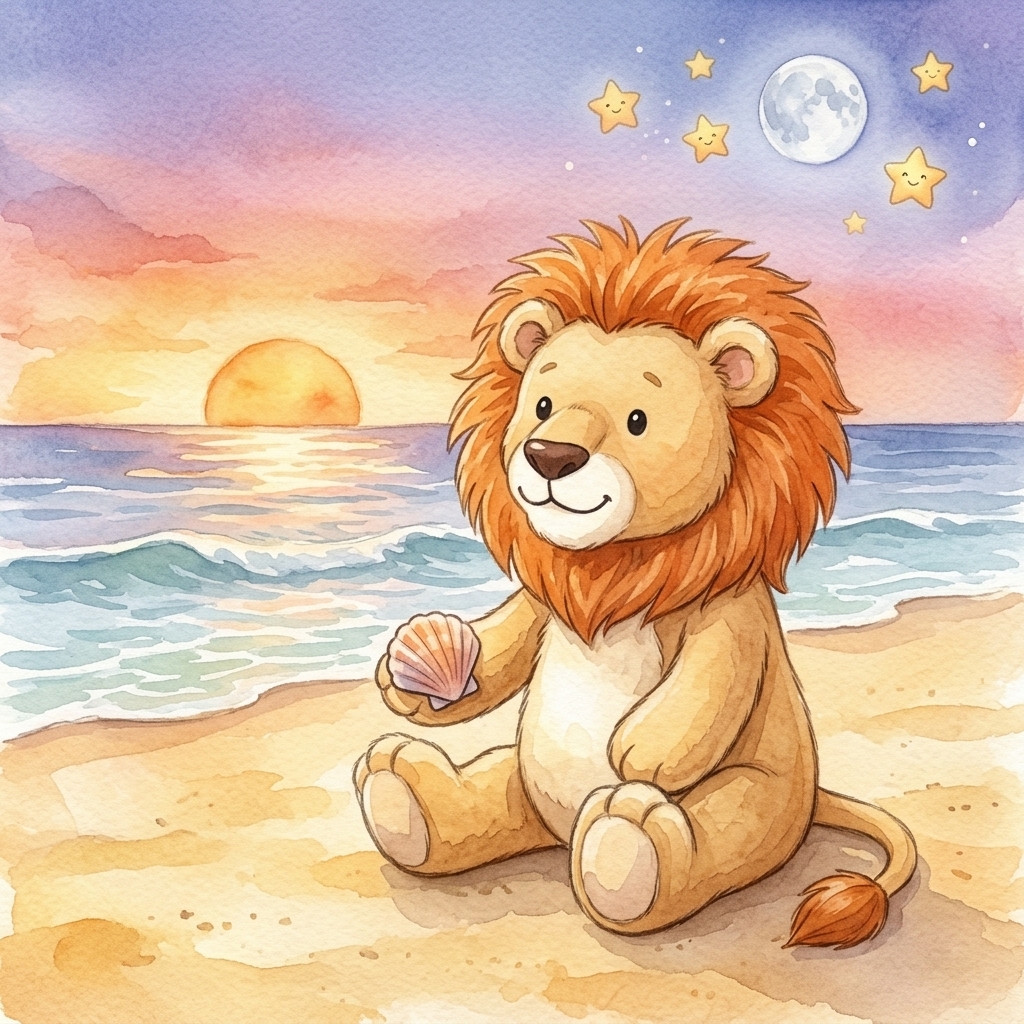 Illustration
What "personalized" actually means in this category
The word "personalized" gets stretched a lot in this market. It's worth pulling apart, because a book that personalizes onlythe kid's name is a different product from one that personalizes the bear itself.
Tier 1: name in the text
The classic format. Your kid's name appears throughout a pre-written story; the rest is a template. The hero is usually a generic illustrated bear. Good examples: I See Me!, Put Me in the Story. These are charming books, especially for kids 3+ who recognize their own name in print. They're not really teddy bear books, though — they're name books with a bear-shaped illustration.
Tier 2: cartoon-avatar customization
You pick hair color, skin tone, sometimes outfit, for a stylized illustration of the kid. Wonderbly is the leader here. The book is well-designed and the personalization is real, but the bear is incidental — usually a side character, sometimes not present at all.
Tier 3: reference-sheet toy illustration (the new tier)
This is the change AI brought. You upload one photo of your kid's actual teddy bear; the system builds a reference sheet from that photo (color, ribbon, ear shape, missing button, that one threadbare patch on the leg) and uses it to draw that specific bearon every page of the book. Continuity matters. A book that draws "a brown bear" on page one and a different brown bear on page seven loses the kid's recognition. A book that keeps your bear consistent — same ribbon every time — is what makes a two-year-old say "that's Bear" on page one and never lose track.
We're in this third tier (Ethan Tales). A few other AI services do something similar; many that claim to do it actually re-roll the bear's appearance every page, which is the failure mode to watch for in any preview.
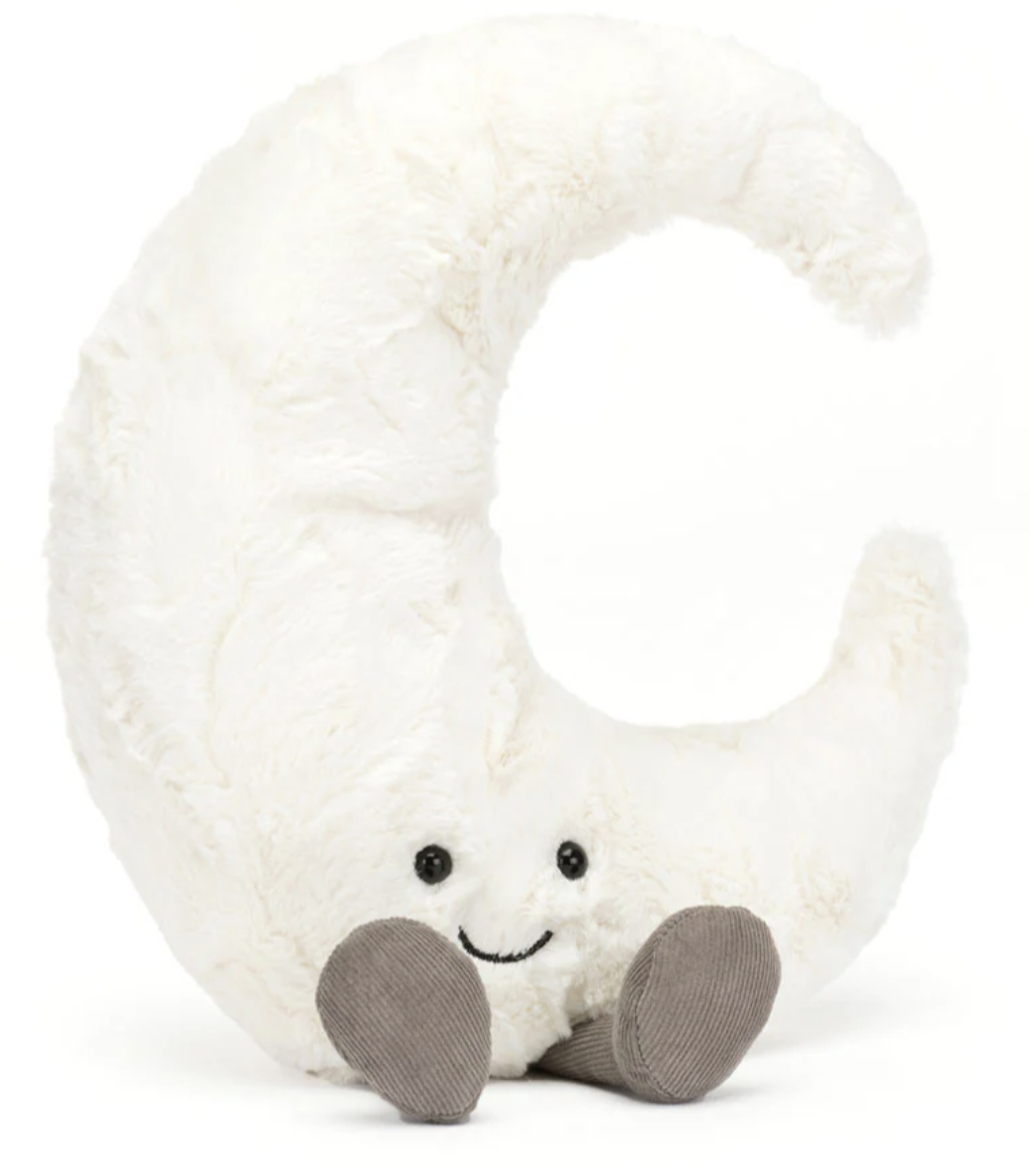 Photo
Photo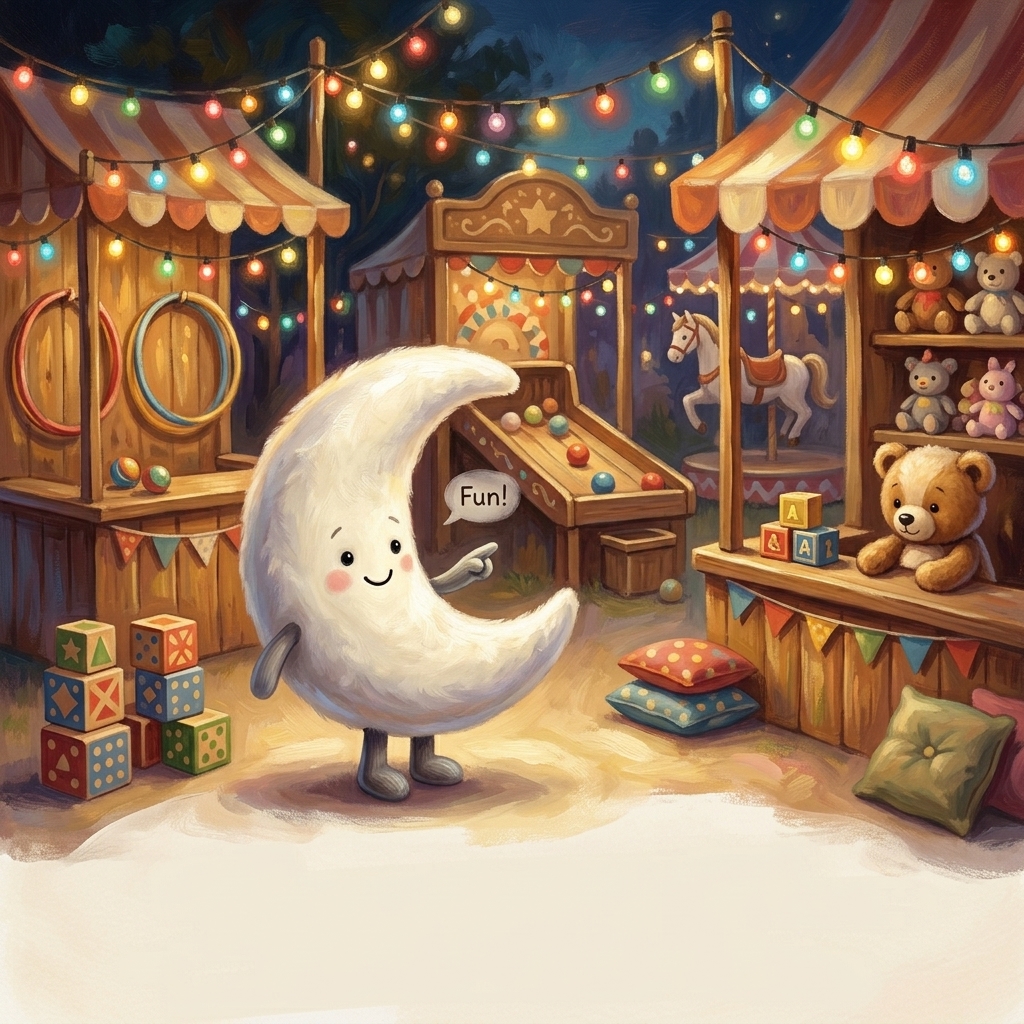 Illustration
The use cases where a teddy bear book really earns its place
Toy-starring books work for almost any childhood theme, but a few specific situations are where personalized teddy bear books outperform anything else on the shelf.
Bedtime and fear of the dark
If your kid's bear is the one who "learned how to handle the dark" on page seven, that lesson is portable: the bear is in the bed, doing the same thing, every night. We wrote a longer piece on this here: how a personalized toy storybook helps kids overcome bedtime fears and a more specific one on bedtime books for a toddler afraid of the dark.
New sibling
Watching your bear navigate the arrival of a baby — including the wobbly part — is one of the few formats that actually moves a four-year-old's emotional response to a new sibling. Full breakdown here.
First day of preschool, daycare, or kindergarten
The kid takes the book home; the bear (and the script the book installed) goes to school in the backpack on Monday. The pair carries the kid through the day. Detailed in our preschool piece.
Gifts
Almost every gift category benefits from this format — birthdays, baby showers, Mother's Day, Father's Day, grandparent gifts, milestone moments. We have separate pieces on why a toy-starring book beats every other gift category, baby shower gifts, and Mother's Day specifically.
Hard moments
The death of a pet, a parent's deployment, a divorce, a long hospital stay. These are the moments where a generic book can't reach the kid and where a familiar character can. The bear has been there the whole time; the book lets the bear be a witness in the story too.
How to get the photo right (this is most of the result)
The single biggest predictor of whether the book looks like your bear or a bear is the source photo. Spend two minutes here.
- Indirect daylight. Position the bear near a window, but not in direct sun. A cloudy afternoon is ideal — the colors come out true.
- Plain background. A cream wall, a white sheet, a wooden floor. Anything busy fights with the bear in the reference sheet. Avoid prints, patterns, and anything with text.
- Front-on, full-body, eyes visible.Sit the bear up if you can. If the bear can't sit up, prop it. Don't shoot from above; shoot at bear's eye level.
- No flash. Flash flattens the texture and shifts color, especially on well-loved bears whose colors are already complicated.
- Clean the bear (slightly).Brush the fur down with a damp cloth. Don't aggressively wash; a freshly-laundered bear sometimes looks generic in the photo. You want the bear that's recognizable, not the bear that's sterile.
A good photo turns the reference-sheet step from "close enough" to "exact." A bad photo gives you a book that looks almostright, which the kid will notice instantly and articulate, badly, by saying "that's not right."
Picking the right story
Theme matters less than fit. Pick the one that lines up with what's actually happening in your kid's life right now. A book about a brave bear at the dentist is a great book but it's a wasted slot if your kid hasn't had a dental visit on the calendar.
A useful exercise: think about what your kid talked about most this week. Was it a fear? A new event coming up? A sibling? A friend? A favorite place? Whatever was on their mind on Wednesday is the book to make on Friday.
Whatever theme you pick, look for these traits in the story arc:
- The bear faces a small, specific problem (not a vague mood).
- The bear tries something concrete that the kid could imitate.
- The fix is the bear's, not a parent character's. Kids learn from the protagonist's agency, not from being rescued.
- The ending is calm, not triumphant.
What you should expect to pay (and what to walk away from)
Pricing in 2026 has settled into a fairly predictable band:
- Digital-only personalized books: $10–$20.
- Softcover printed: $25–$40.
- Hardcover printed: $35–$60.
- Custom-written human-illustrated books: $150–$400+ (a different product entirely).
Walk away from any service that asks for full payment without showing you a preview. The whole point of digital tools in this category is that you can verify the bear before printing. Any service that hides the preview behind a paywall is signaling either low quality or aggressive monetization. Both are reasons to skip.
Common mistakes (and how to avoid them)
Choosing the wrong bear
If your kid has multiple stuffed animals, the "right" bear is whichever one has been in the bed for the last six months — not the prettier or newer one. The book's emotional weight comes from incumbency, not aesthetics.
Over-engineering the story
First-time book buyers tend to want to pack three lessons into one book. Your kid will tune out. Pick one beat, do it well, save the others for the next book.
Skipping the preview
The first three pages will tell you everything: whether the bear looks right, whether the writing is at the right level, whether the illustration style fits your kid. Look at the preview the way you'd look at the dust jacket of a real book. If you're not excited, regenerate or pick a different theme.
Treating it as a one-off
Most parents who try one of these books end up making three or four over time. The kid asks for "another bear book." The bear gets a recurring role: bedtime book, school book, Christmas book, doctor's visit book. That accumulation is what turns this from a one-time purchase into a genuine shelf of personalized books.
The emotional payoff (the part the spec sheets miss)
The first time a kid sees their bear on the cover of a book, they pause. There's a half-second of confusion — the bear is on the bed and on the cover at the same time — and then a recognition that registers somewhere in the chest. They go "that's Bear" quietly. They open the book. They look at the bear on page one, then at the bear in their lap, then back at the page. That moment is what you're actually buying.
The downstream effects — better bedtime, easier preschool transition, smoother sibling adjustment — are real and worth the money on their own. But the first-page moment is the part that explains why the category quietly took off in the last two years. It's not a gimmick. It's a kid being seen, by a book, in a way books haven't been able to do before.
The short version
A personalized teddy bear storybookuses one photo of your kid's actual bear and an illustration engine that keeps that bear consistent across the entire book. It works because the bear is already loaded with emotional weight in your house — you're framing existing meaning, not creating it. It's most effective at bedtime, big transitions, gift moments, and the small hard chapters of childhood. The first-page moment is the part you'll remember.
Get a good photo — daylight, plain background, full body, no flash. Pick a theme tied to something your kid is actually working through this week. Preview the first three pages free. Start with the bear in the bed.
Related reading
The best personalized books for toddlers in 2026 →
The best personalized books for 2 year olds →
Why your kid's stuffed animal deserves to be the hero of a book →
Make a book starring your kid's favorite toy
Upload one photo. Preview three pages free before you decide anything.
Create a free previewKeep reading
Books That Actually Teach Kindness to Toddlers
Why kindness can't be lectured at three, the four things a good kindness book has to do, and why a personalized hero accelerates the empathy transfer most generic books leave on the table.
Read articleA Father's Day Personalized Storybook (Not Another Tie)
Why ties and grilling tools miss, why the kid's actual stuffed animal is the right hero (not a generic dad illustration), the themes that hit dads specifically, and how to get the hardcover by June 21.
Read articleAlternatives to Wonderbly in 2026: An Honest Comparison
What Wonderbly genuinely does well, where it leaves people looking, and six alternatives compared by price, age fit, illustration approach, and use case. Includes our own tool with full disclosure.
Read article