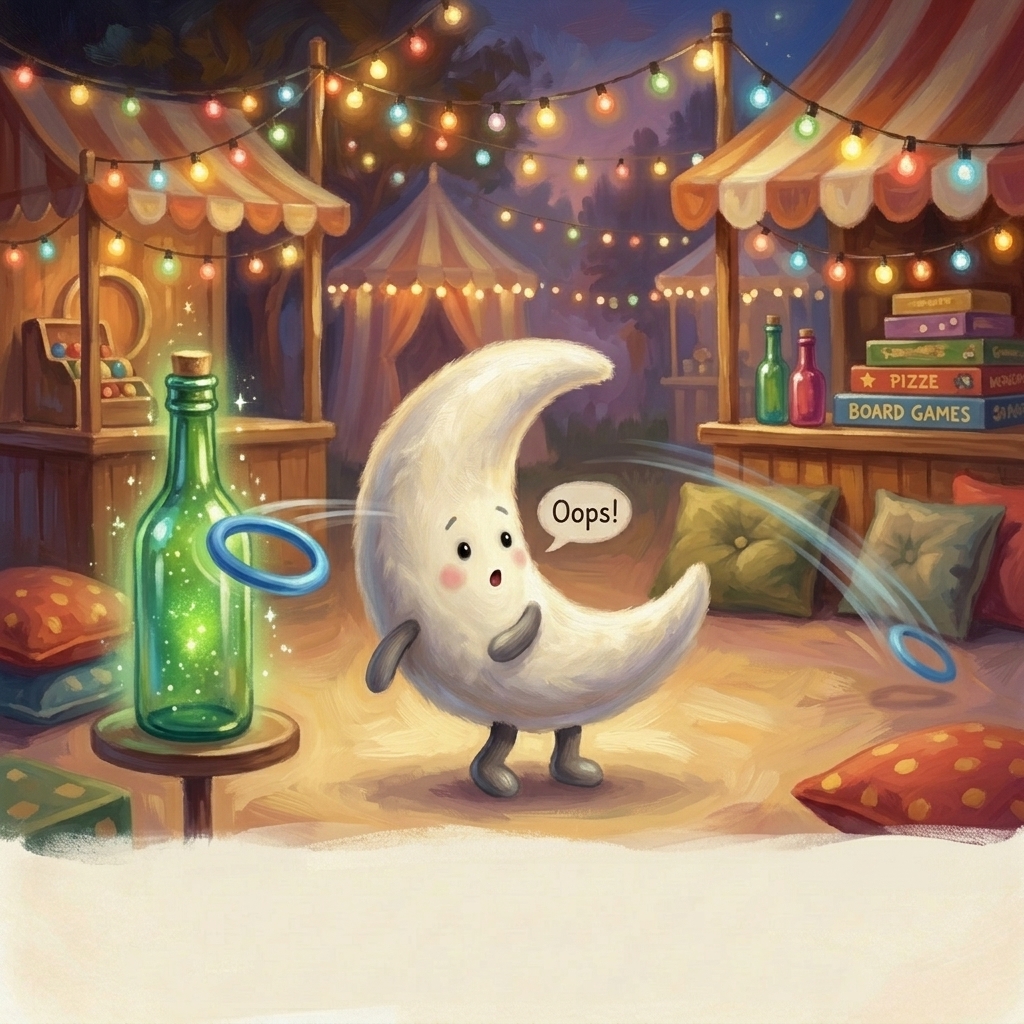
Most parents have a version of this moment. Park, sandbox, your three-year-old reaches over and shoves another kid — sometimes for the shovel, sometimes for no clear reason at all — and you watch a small social contract get broken in real time. You apologize to the other parent. You drag your kid to the bench for the conversation. You explain, again, that we don't hit. You walk through "how would you feel if" for the third time this week. The kid nods solemnly and goes back to the sandbox and shoves a different kid.
Reading lectures to toddlers about kindness almost never works. Reading them books about kindness can — but only if the books do specific things. Most don't. Here's what good books that teach kindness to toddlers actually look like, why a personalized hero accelerates the lesson, and how to use one without turning bedtime into a sermon.
Why kindness can't be lectured
At three, the brain regions that handle perspective-taking — the "how does this look from the other person's side" circuit — are still being built. When you ask a three-year-old "how would you feel if someone took your toy," they're not stalling out of defiance; they literally don't have the cognitive machinery yet to run that simulation reliably. The capacity comes online gradually between three and seven.
What kids that age cando is imitate. They watch what people they love do, and they copy it. The reason story characters work as kindness teachers is that the kid's brain handles "watch a character act kind, file the script" before it can handle "reason from first principles about other people's feelings." Books beat lectures because books install scripts. The kindness routine the kid runs at the playground in three months is the one they watched a character run at bedtime tonight.
What a kindness book has to do (and what most miss)
A surprising number of kindness picture books end up being lectures with illustrations. They tell the kid what kindness is, define it, give a tidy moral. Toddlers tune those out the way adults tune out HR training videos.
The kindness books that move behavior tend to do four things:
- Show the unkind moment without flinching. The hero takes the shovel, ignores a friend, says something mean. Skipping the unkind moment makes the book unrecognizable to the kid. They live in the unkind moment.
- Show a small consequence the kid can feel. Not a huge one. A friend looks sad. A friend walks away. The book sits with the consequence for a beat. This is where the empathy work happens — the kid is observing, not being told.
- Let the hero discover the fix on their own.Not a parent character explaining. The hero notices the friend's face, decides something, tries something. The agency is the lesson.
- End on a small repair, not a celebration. The two characters end up doing something together quietly. Not a big group hug — just a smaller, more believable resolution that says: you can fix this, and the world keeps going.
Why a personalized hero accelerates the lesson
The standard kindness book uses a generic animal protagonist — a bear, a duck, a fox. That works, partially, because the kid does the empathy transfer onto the cartoon character. But the transfer is harder than it looks at three years old, and a non-trivial fraction of kids just don't bridge it.
A book where the hero is the kid's own stuffed animal collapses the transfer. When Bear is the one who took the shovel, your kid doesn't need to map an abstract bear-character onto themselves. Theirbear, the one in their lap, is the one they watched get it wrong and then get it right. The lesson lives inside the toy that's already with them all day. At the playground three weeks later, the kid is functionally being coached by the toy in the backpack — because the toy's the one who's already been through it in the book.
This is the part most personalized-book services miss. A book where the kid's name is printed in the text doesn't do the empathy bridge any better than a generic book — the protagonist is still a stranger. A book where the actual stuffed animal is the protagonist, drawn consistently across every page, does. Our AI engine builds a reference sheet from one photo and keeps that exact bear (ribbon, ear, patches) on every page; that continuity is what makes Bear feel like Bear instead of a different bear-character.
Age-by-age guide
Ages 2–3: parallel kindness
At two and three, kids are still in "parallel play" — they play next to other kids more than they play with them. The kindness lessons that land at this age are concrete and physical: sharing one specific item, taking a turn, handing something back. Stories about big-feelings empathy are too abstract; stories about Bear handing a shovel to another bear at the sandbox are exactly right.
Ages 4–5: noticing feelings
By four, kids can read facial expressions in pictures. Books that linger on a friend's sad face for a beat — without immediately solving it — let the kid observe and start to make the connection. This is the age where externalization tools (the kid's stuffed animal as the protagonist) really start to outperform generic-character books.
Ages 6–7: repair
Older kids can handle stories where the hero notices the unkind moment, feels bad about it, and tries to make it right. The repair beat lands. They can also start to articulate why the fix worked, which is the moment kindness becomes verbal, not just behavioral.
How to use a kindness book without turning bedtime into a sermon
The fastest way to ruin a good kindness book is to over-discuss it. The book is doing the work. You don't need to.
- Read it on a regular night, not a punishment night. If you only pull out the kindness book after a bad day at the park, the kid associates the book with getting in trouble. Read it on Tuesday for no reason.
- Don't ask comprehension questions.Don't ask "why was the bear sad?" Don't ask "what should the other bear have done?" Just read it. The kid is doing the work silently.
- Reference it in the moment.When the actual sandbox shove happens three weeks later, you say "remember what Bear did with the shovel?" Five words. Not a paragraph. The book is the long form; the in-the-moment reference is the short form.
- Let the kid teach it back.The first time the kid spontaneously hands a shovel to another kid, they will look at you. Don't over-praise — that breaks the spell. A small "that was very Bear of you" is enough.
The short version
Books that teach kindness to toddlerswork when they install a script the kid can imitate, not when they deliver a lecture the kid can't process. Good kindness books show the unkind moment, sit with a small consequence, let the hero discover the repair, and end quietly. A personalized version where the kid's own stuffed animal is the hero accelerates the lesson because the empathy transfer is already pre-wired — Bear is on every page, and Bear is in the kid's lap at the playground.
If you have a photo of the toy your kid carries everywhere and a sandbox incident you'd like to head off: upload the photo and pick a kindness theme. The first three pages are free; you'll know if it reads right before you pay.
Related reading
Getting your toddler ready for a new sibling — with a book →
A book for the first day of preschool that actually helps →
Make a book starring your kid's favorite toy
Upload one photo. Preview three pages free before you decide anything.
Create a free previewKeep reading
A Father's Day Personalized Storybook (Not Another Tie)
Why ties and grilling tools miss, why the kid's actual stuffed animal is the right hero (not a generic dad illustration), the themes that hit dads specifically, and how to get the hardcover by June 21.
Read articleAlternatives to Wonderbly in 2026: An Honest Comparison
What Wonderbly genuinely does well, where it leaves people looking, and six alternatives compared by price, age fit, illustration approach, and use case. Includes our own tool with full disclosure.
Read articleThe Personalized Teddy Bear Storybook, End to End
Why teddy bears specifically work as story heroes, the three tiers of personalization (name, avatar, reference-sheet), where this format earns its place, and how to nail the photo and the story.
Read article